Fresh air is filtered
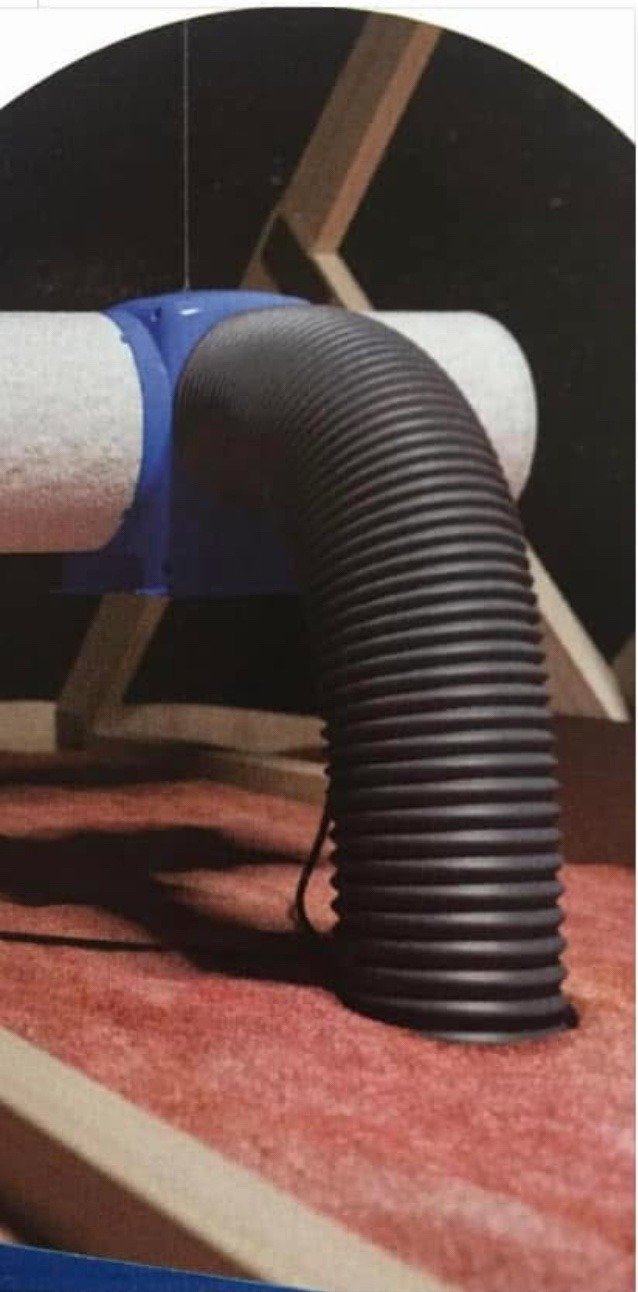
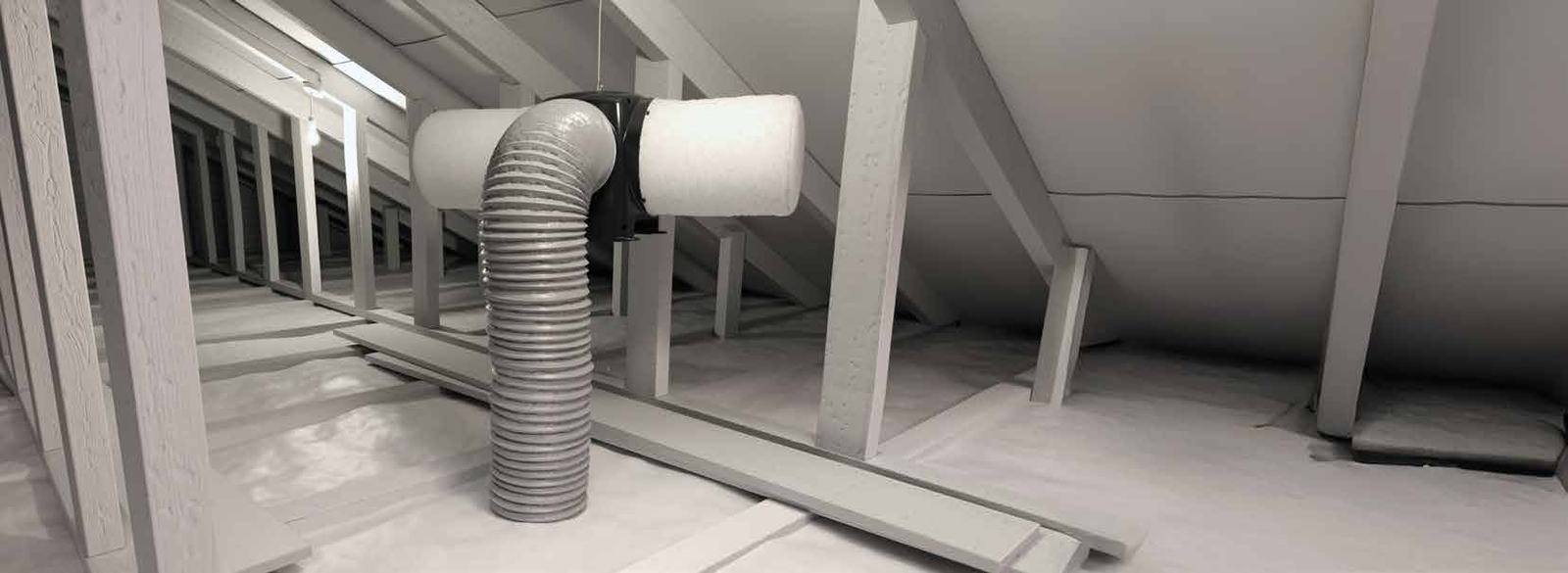
Loft-mounted systems normally draw air from a suitable, ventilated loft. Wall-mounted systems draw fresh air directly from outside.
Positive Input Ventilation (PIV) gently introduces fresh, filtered air into the home. Nuaire Drimaster loft systems use this principle to create a very small positive air pressure that encourages stale, humid air to leave through the home's existing ventilation routes.
The pressure difference is tiny. You will not feel the house becoming pressurised; the system is designed to create a gentle, continuous movement of air.
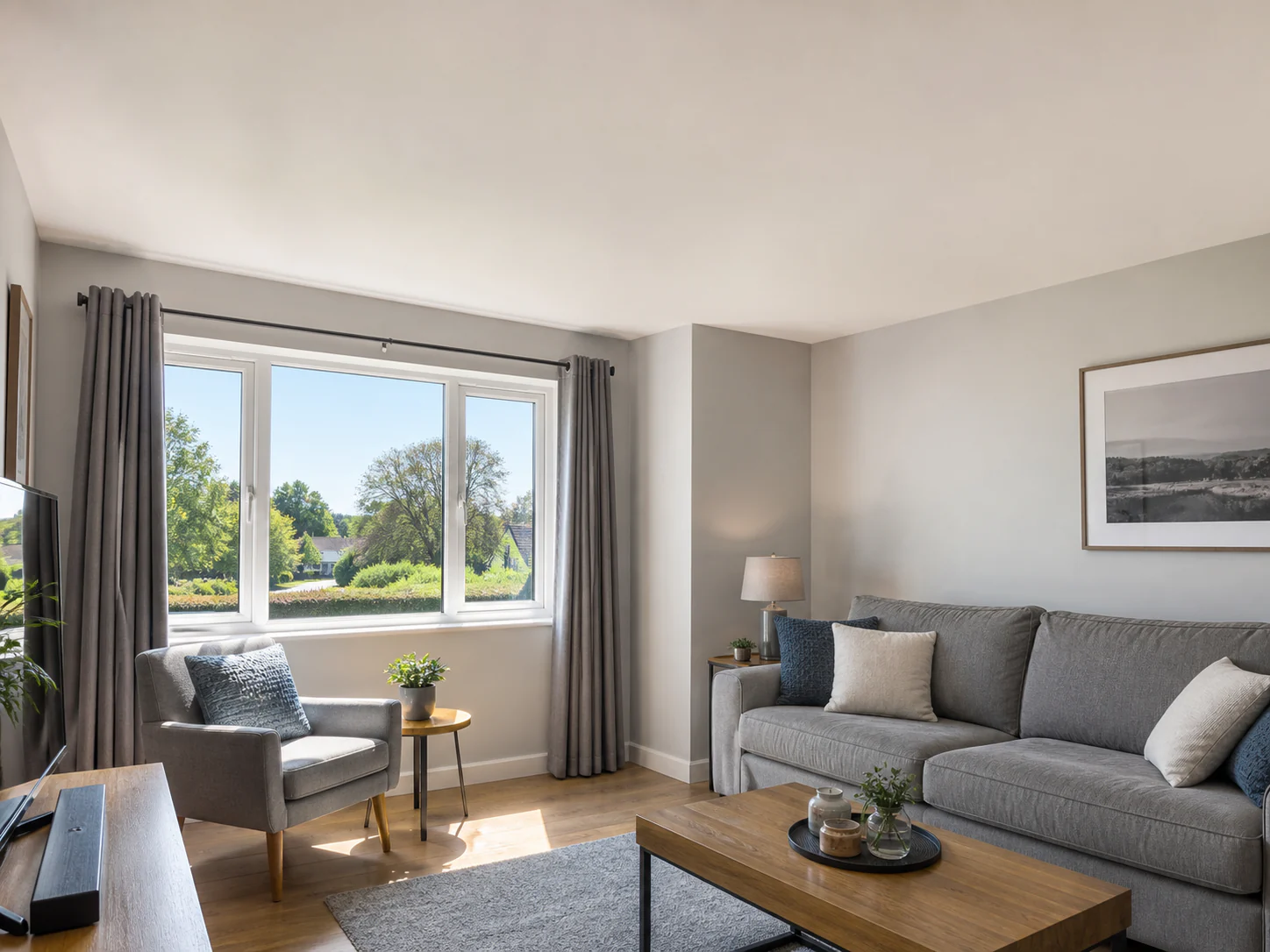
PIV introduces a continuous supply of fresh, filtered air and gently displaces stale, moisture-laden air.
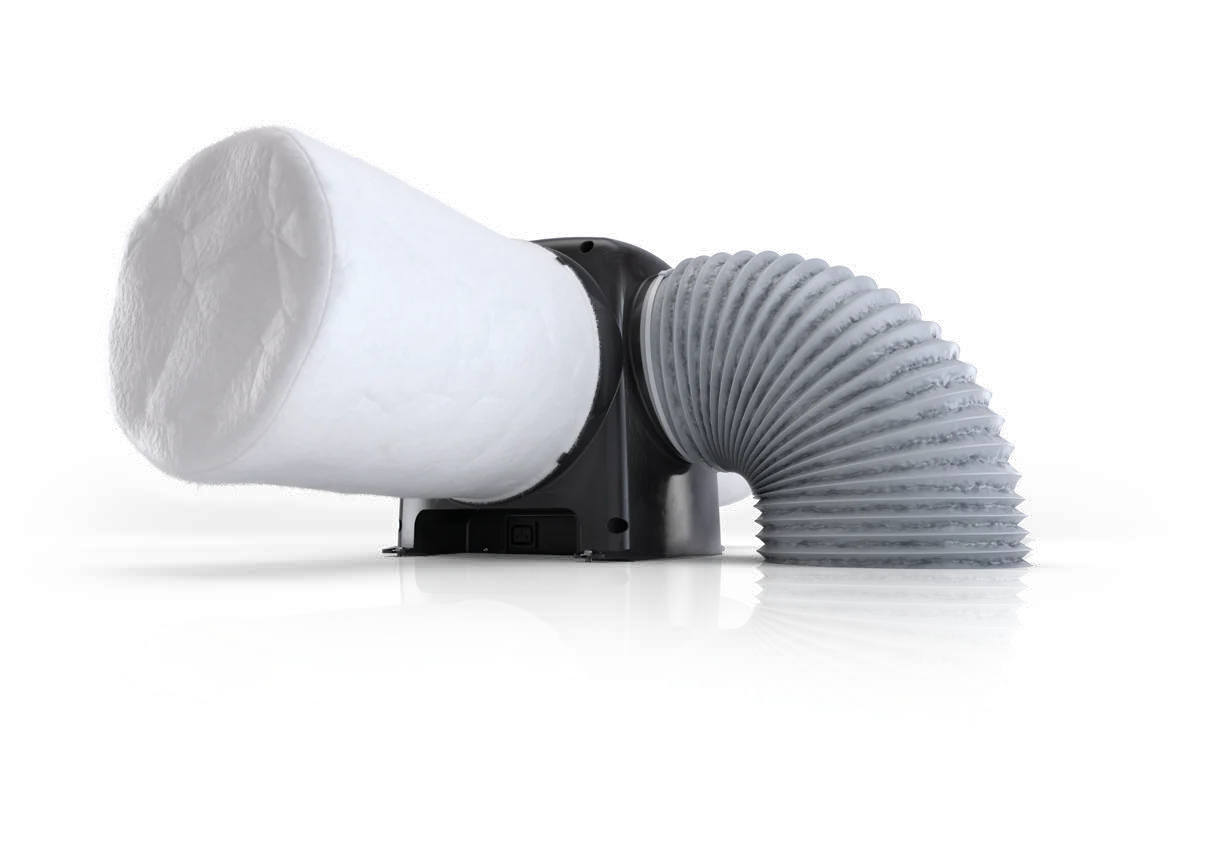 Loft-mounted Drimaster ECO
Watch the gentle flow of fresh, filtered air through the home.
Loft-mounted systems normally draw air from a suitable, ventilated loft. Wall-mounted systems draw fresh air directly from outside.
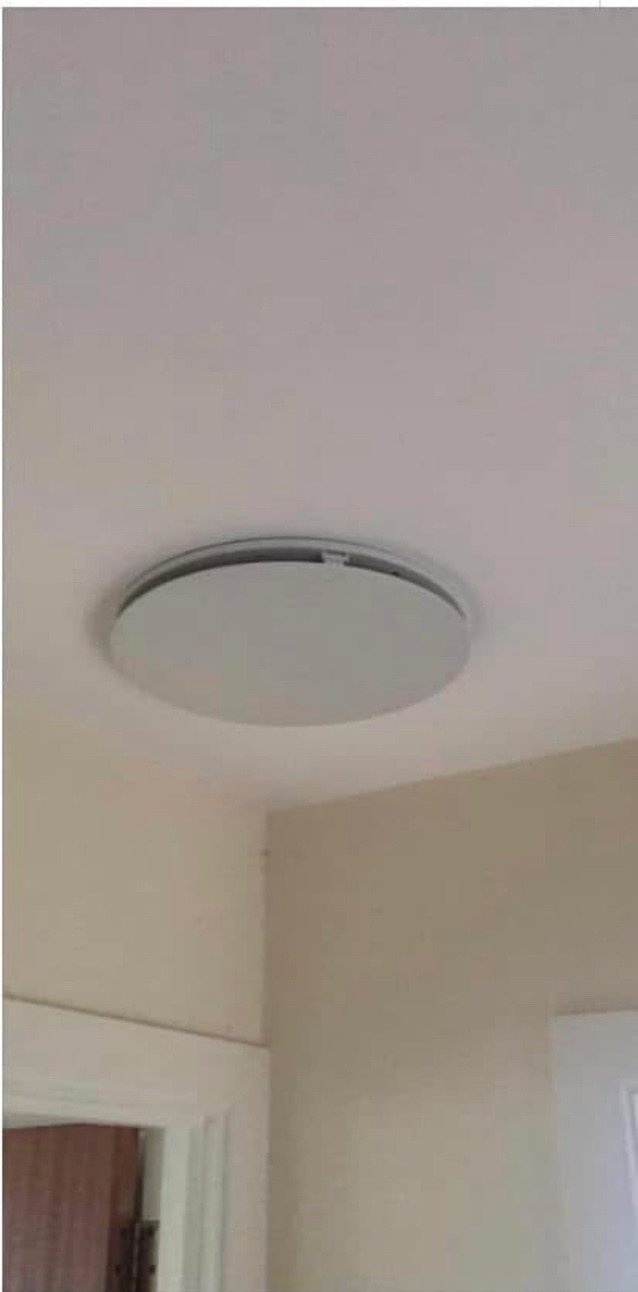
The air is supplied through a ceiling diffuser, usually positioned in a central hallway or landing.
As fresh air is introduced, stale humid air is gently displaced towards existing extract fans, trickle vents and natural leakage paths. It does not all leave through one outlet.
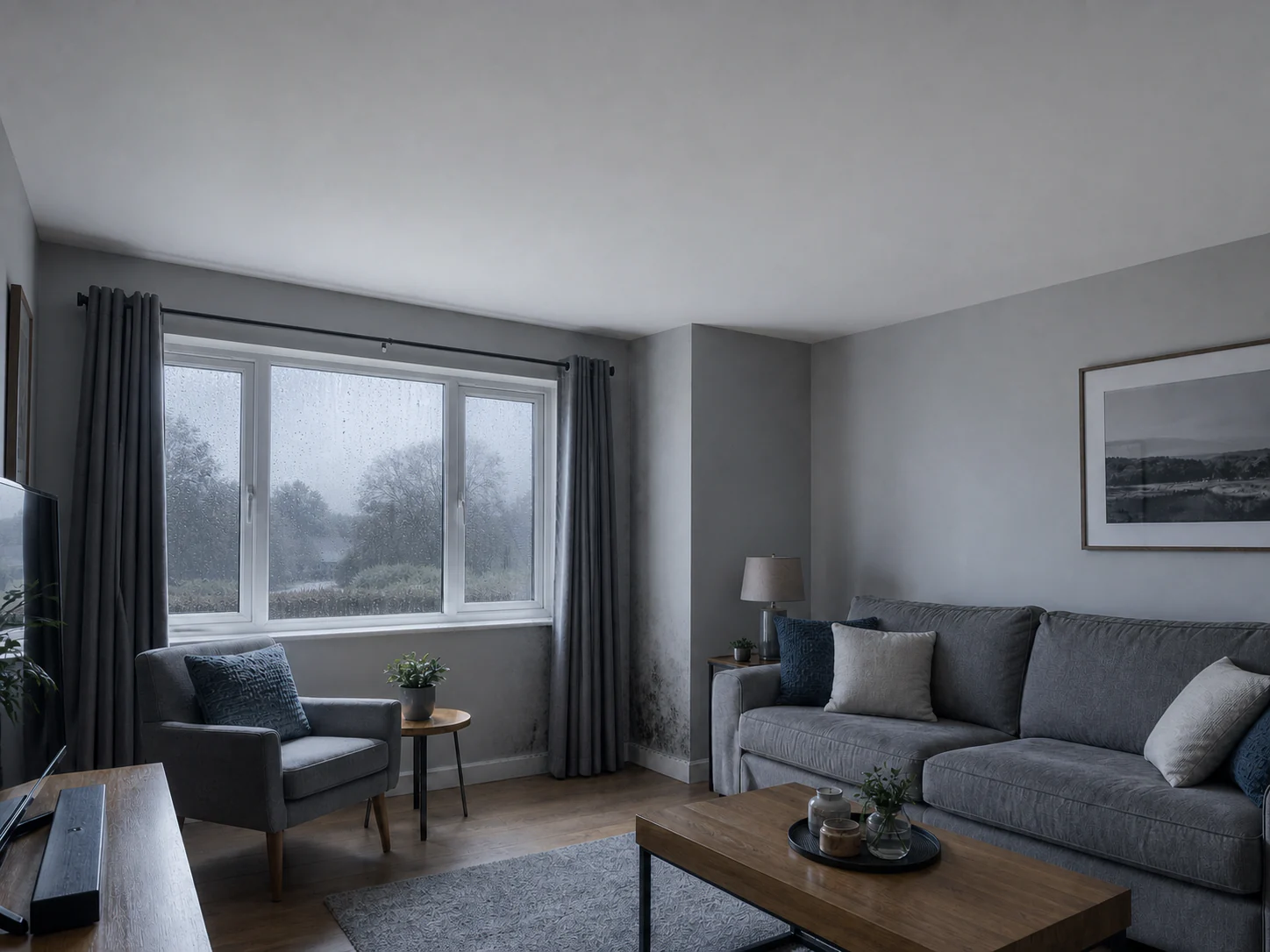
PIV is intended to help manage indoor humidity and air quality. A different repair or ventilation approach may be needed where the moisture source is structural. Our condensation and mould guide explains the main differences.
A Nuaire Drimaster Heat model gently tempers the incoming air during colder weather, helping reduce the sensation of a cool draught at the diffuser.
The integral heater is not central heating and is not designed to heat the house.
Compare Nuaire Drimaster standard and heated systemsThe right route depends on the property, available space and how fresh air can be introduced safely.
For more detail, read our PIV questions and answers or our guidance on ventilation and Northern Ireland Building Regulations.
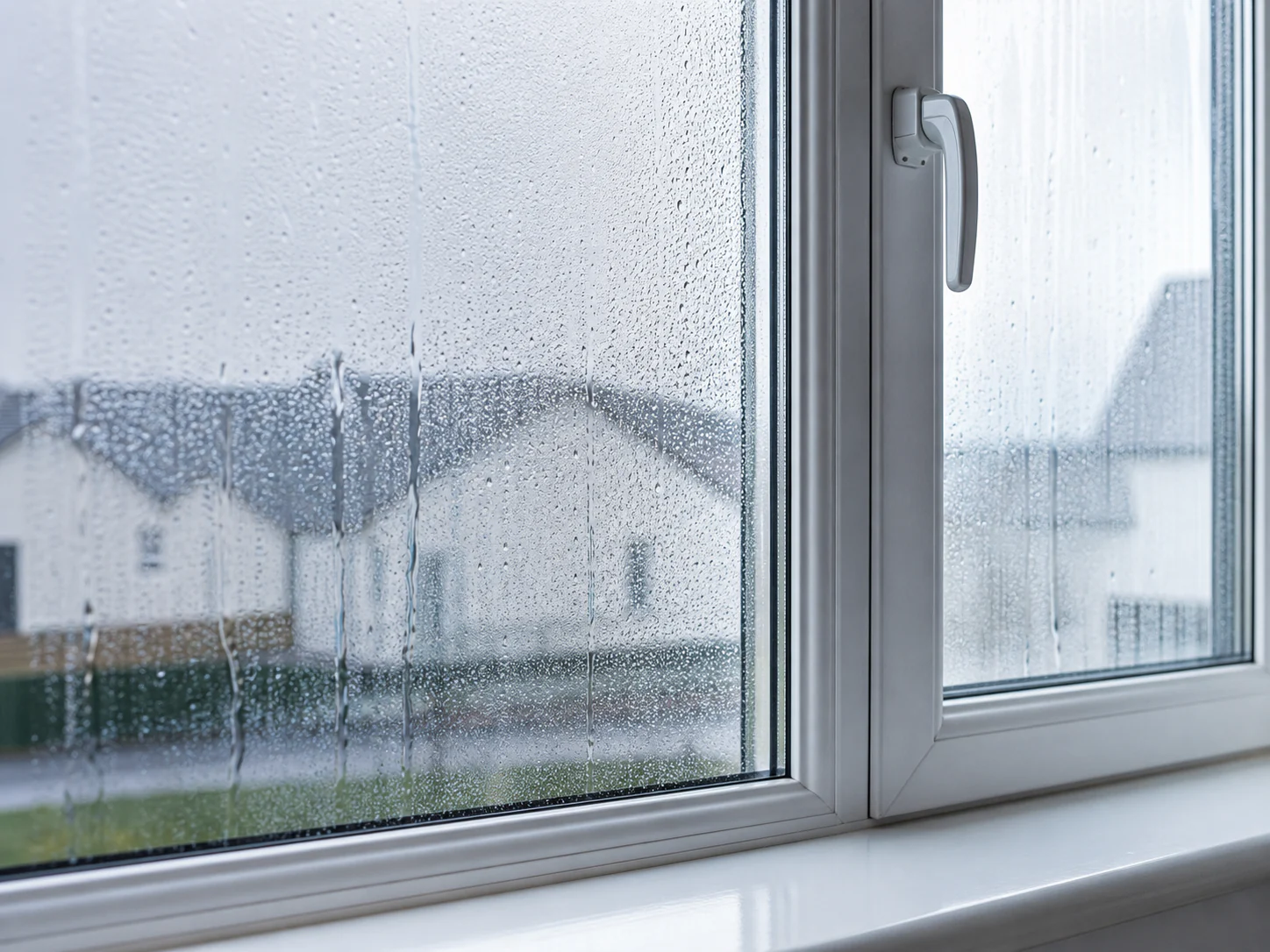
Heavy condensation after cold nights, cooking or showering.
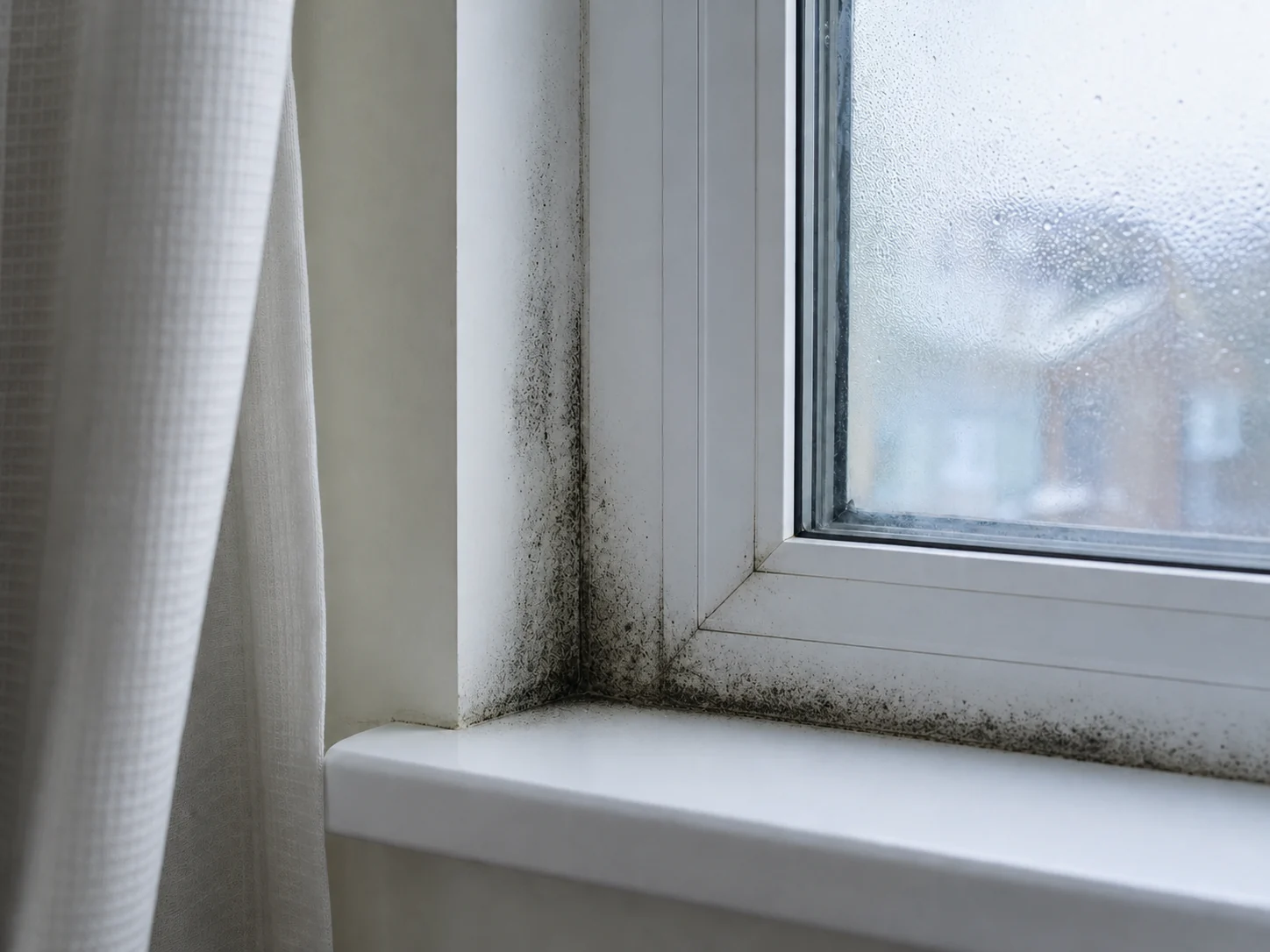
Recurring surface mould linked to excess indoor moisture.
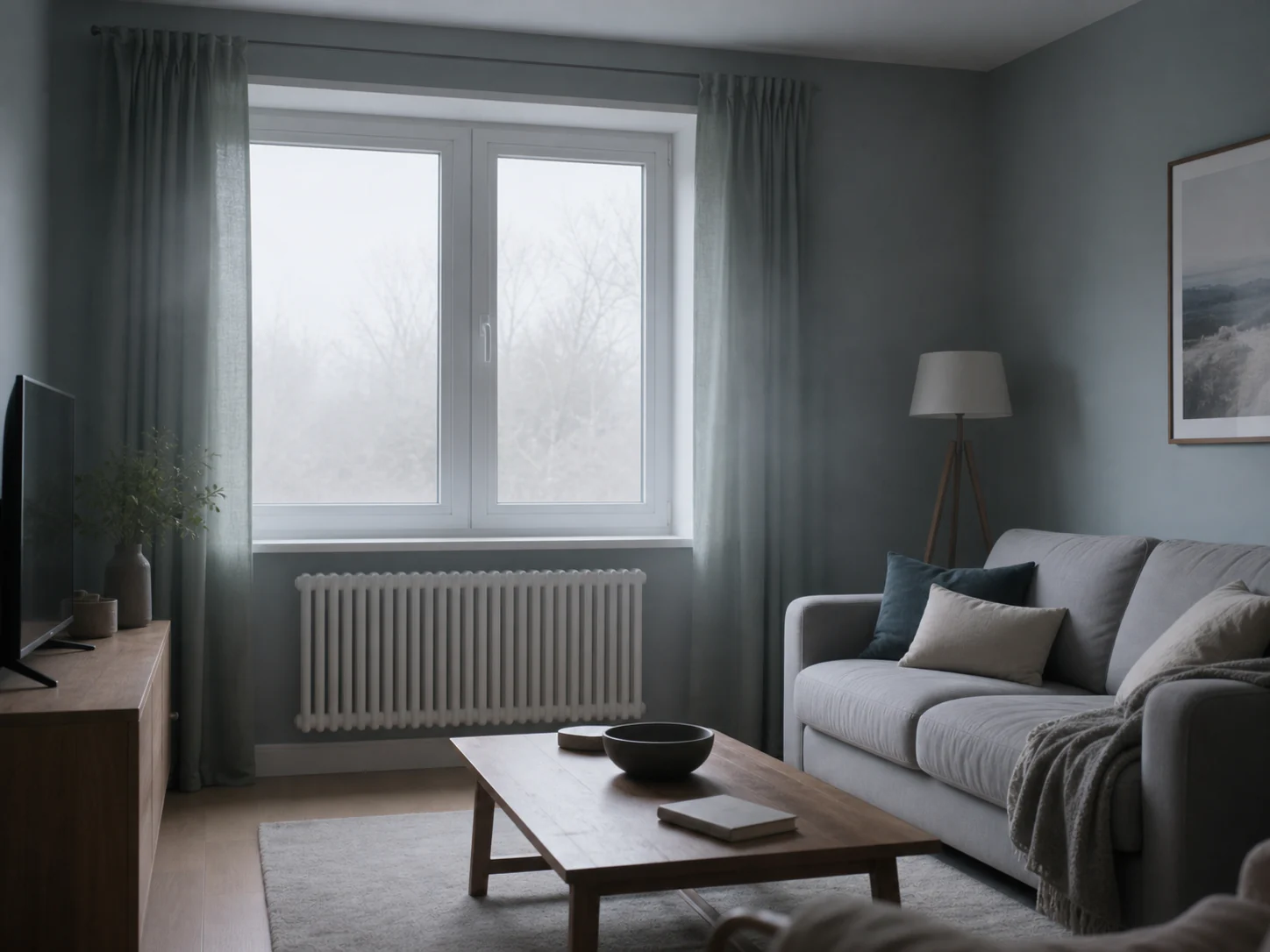
Air that feels heavy, stale or slow to clear.

A persistently damp or uncomfortable indoor environment.
Start online or speak to us directly. Both routes lead to the same careful property discussion and recommendation.
Choose whichever route feels easiest.
We review the home, symptoms, loft access and any photographs that may help.
We explain which system may be suitable—or tell you if PIV is not the right approach.
We confirm the installed price and any property-specific requirements before you agree.
Once you are happy to proceed, we agree a convenient installation date.
Use the 60-second online suitability check for an initial recommendation, or contact us directly and we will talk it through with you.